A non-surgical approach for herniated discs, bulging discs, degenerative disc disease, sciatica, and chronic back and neck pain. If you've been told surgery is your only option, a consultation is worth your time.
Spinal decompression therapy uses a motorized traction table to gently stretch the spine in a controlled, computer-regulated pattern. That stretching changes the force and position of the spine in a way that takes pressure off compressed or damaged discs.
When a disc is compressed, the pain comes from two sources: the mechanical pressure on the disc itself, and the irritation of nearby nerves. Decompression therapy addresses both by creating negative intradiscal pressure, a brief period of negative pressure that may allow the disc to retract slightly and may promote the flow of nutrients and oxygen that help the disc heal.
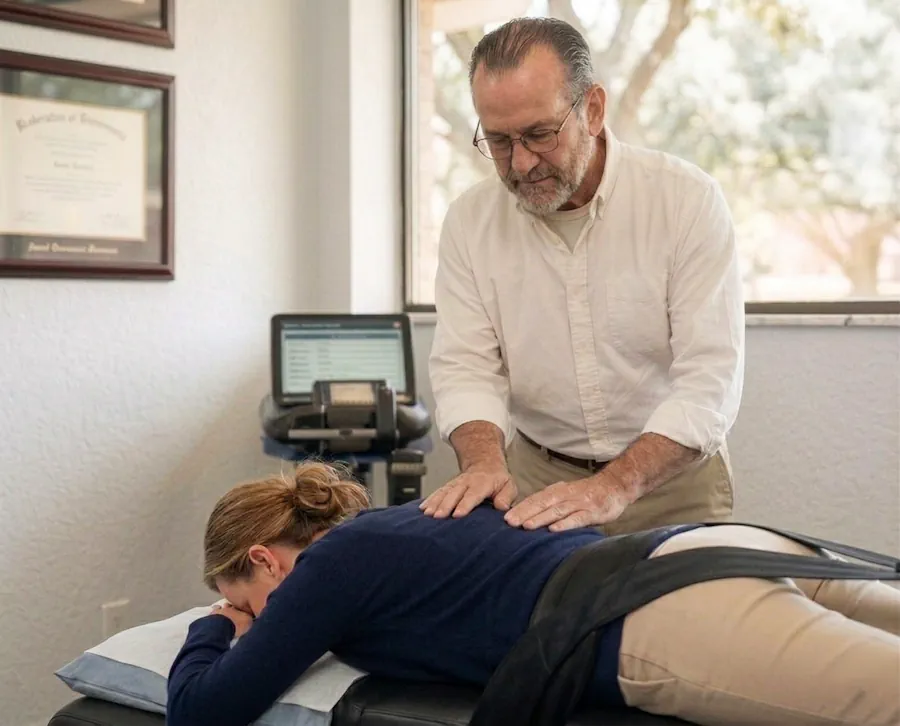
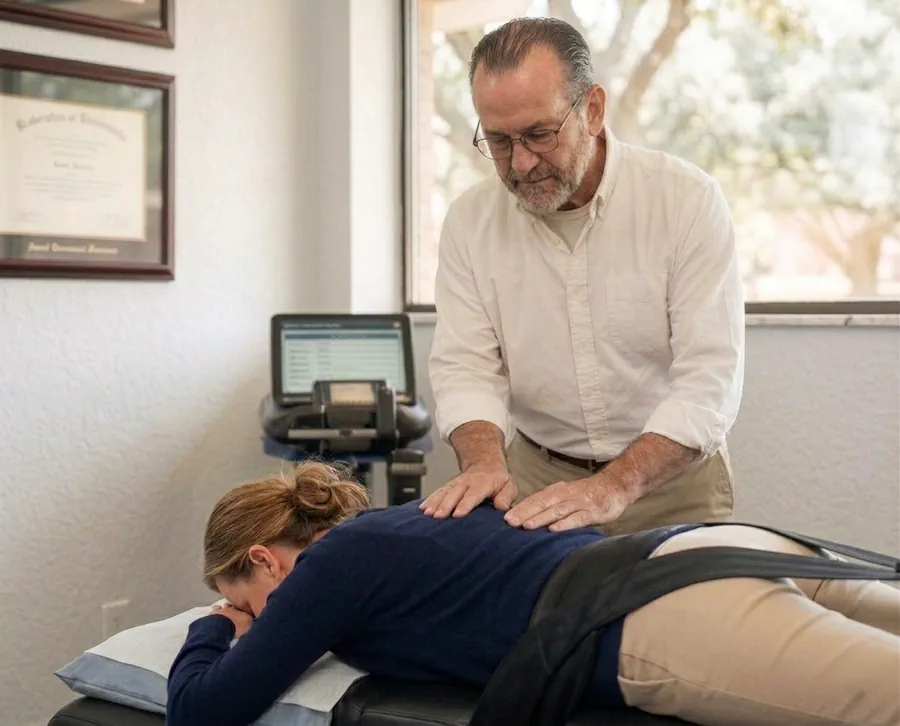
The treatment is delivered on an FDA-cleared device. You're fully clothed, lying on a padded table. A harness fits around your pelvis. The machine does the work. Sessions typically run 30 to 45 minutes.
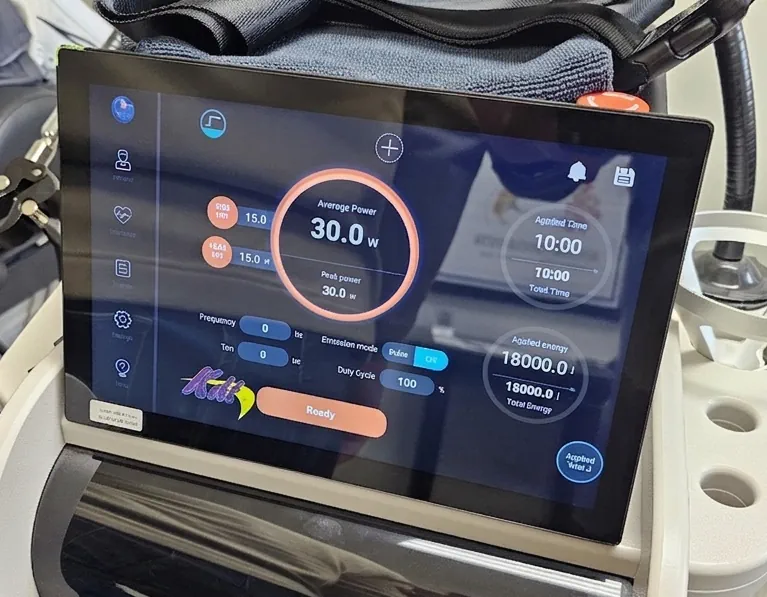
Most decompression patients here also get Class IV Laser Therapy. The reasoning is mechanical. Decompression changes the pressure inside the disc. The laser works on the inflamed, irritated tissue that pressure leaves behind in the surrounding nerves and muscle. Run them together and the disc and the fallout both get treated instead of one waiting on the other. Individual results vary.
Decompression therapy was developed specifically for disc and nerve conditions. These are the diagnoses we most commonly treat.
When disc material protrudes and irritates nearby nerves, decompression may reduce the protrusion and relieve nerve pressure. It's one of the primary uses for this therapy.
Learn MoreA bulging disc presses outward without fully rupturing. Decompression therapy may reduce that bulge and the associated pain or nerve irritation over a course of treatment.
Learn MoreMost sciatica originates from a compressed disc pressing on the sciatic nerve roots. Removing that pressure is exactly what decompression therapy targets.
Learn MoreAs discs thin and dry out over time, they lose their ability to absorb shock. Decompression may slow progression and improve function by promoting disc hydration and nutrient flow.
Learn MorePatients with ongoing low back pain that hasn't responded to standard care often find decompression therapy gives their discs a chance to recover in a way that rest alone cannot.
Learn MoreCervical decompression addresses disc conditions in the neck that cause localized pain, headaches, or arm pain and numbness. The protocol differs from lumbar decompression.
Learn MorePatients coming in for the first time often don't know what to expect. Here's a straightforward picture of how the process works from consultation through treatment.
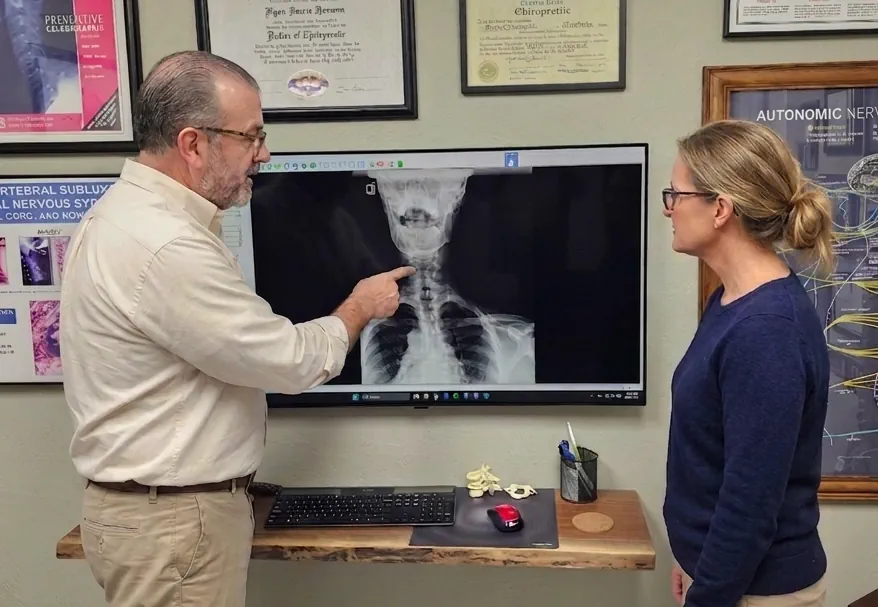
One of our doctors reviews your history, symptoms, and any imaging you've had. We determine whether you're a good candidate and explain your options clearly.
You receive a written treatment plan with the recommended number of sessions, frequency, and what to expect as you progress. No vague open-ended protocols.
You lie fully clothed on the padded table. A comfortable harness is fitted around your pelvis. The treatment begins at low force and is adjusted based on your feedback. Most patients relax, some fall asleep.
You return for sessions typically 3 to 5 times per week in the first phase of care, tapering as your condition improves. Your doctor checks progress and adjusts the protocol as needed.
Once you've completed your recommended sessions, we discuss self-care, periodic check-ins, and whether Class IV Laser Therapy provides long-term support.
| Session Length | 30–45 minutes |
| Typical Course | 20–30 sessions |
| Frequency | 3–5x per week initially |
| Technology | FDA-cleared device |
| Clothing | Stay fully clothed |
| Anesthesia | Not required |
| Recovery Time | None (most patients) |
| Combined With | Class IV Laser Therapy |
Individual results vary. Treatment plans are personalized.
This isn't a claim that decompression is right for everyone. It's a straightforward look at how it compares to other common approaches.
| Approach | Invasive? | Targets Disc Directly? | Typical Recovery? | Notes |
|---|---|---|---|---|
| Spinal Decompression Therapy | No | Yes | None (most patients) | Multiple sessions required |
| Spinal Surgery (discectomy, fusion) | Yes | Yes | Weeks to months | May be necessary in severe cases |
| Epidural Steroid Injections | Minimally | Indirectly | Short | Manages inflammation, not the disc |
| Physical Therapy | No | Indirectly | None | Builds strength; doesn't decompress |
| Pain Medication | No | No | None | Manages symptoms, not the source |
This table is general and educational. It is not a substitute for professional medical evaluation. Surgery may be necessary in some cases.
These are the questions we hear most often. If yours isn't here, call us or book a free consultation.
They both use pulling force, but they're different. Traditional traction applies a constant linear pull. Computerized decompression uses a cycling pattern of distraction and relaxation phases engineered to produce negative intradiscal pressure. That specific pressure change is what distinguishes decompression from standard traction.
Most patients find the treatment comfortable or even relaxing. Some experience mild post-session soreness, similar to stretching a stiff muscle. If something feels wrong during a session, tell your doctor immediately. The protocol is adjusted in real time.
It depends on the type of surgery. Patients who have had spinal fusion are generally not candidates. Patients who have had a discectomy or microdiscectomy may still qualify, depending on how long ago the surgery was and the current condition of the spine. Your evaluation will clarify this.
Some patients notice relief within the first few sessions. Others don't feel a significant change until two to three weeks in. A minority respond more slowly or not at all, which is why we monitor your progress throughout and will tell you honestly if the treatment isn't working for you.
An MRI or other imaging is helpful but not always required to start. If you have existing imaging, bring it. If you don't, we'll let you know after the consultation whether we need more diagnostic information before proceeding.
Coverage varies significantly by plan. Spinal decompression therapy is not always covered, but some plans include it. Call us with your insurance information and we'll verify your benefits before your first visit. We can also discuss financing options.
We are direct about what the research shows. Some trials and a 2022 meta-analysis report that mechanical traction reduces nerve root pain and improves function in lumbar disc herniation, mainly in the short term. A larger systematic review of 32 randomized trials concluded that traction, alone or combined with other care, has little or no effect on pain and function for low back pain with or without sciatica, and called for higher-quality studies. We present decompression as a reasonable non-surgical option to consider after evaluation, not a guaranteed outcome. These references are for transparency and do not replace individual medical assessment.
Wang W, et al. Clinical Efficacy of Mechanical Traction as Physical Therapy for Lumbar Disc Herniation: A Meta-Analysis. 2022. PMC9239808
Wegner I, et al. Traction for low back pain with or without sciatica. Cochrane Database of Systematic Reviews, 2013. PubMed 23959683
A free 15-minute consultation with one of our doctors is the right starting point. We'll review your history, answer your questions, and give you an honest recommendation.
Individual results vary. Spinal decompression therapy is recommended only after clinical evaluation and determination of candidacy.